news
White House Shifts Federal Grant Decisions to Political Appointees
The plan to shift final grant decisions to political appointees builds on longstanding administration goals for tighter oversight.
How we reported this
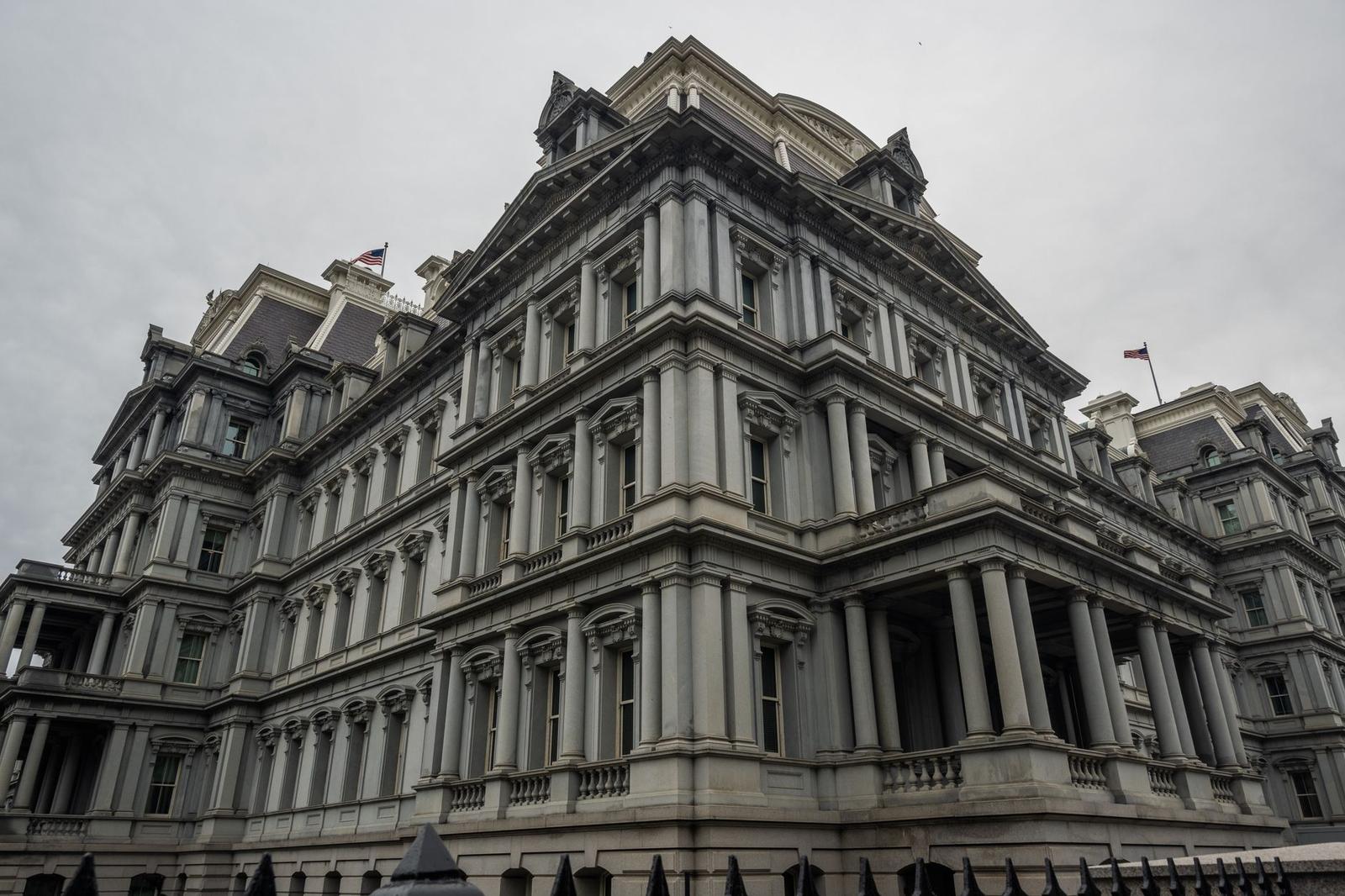
The White House proposed a rule requiring political appointees rather than expert peer reviewers to hold final authority over many federal grants and to assess whether awards advance administration priorities.
Origins of the shift
The proposal emerged from efforts to strengthen oversight of federal spending across multiple sectors. Administration statements frame the changes as a way to block funding for activities it opposes, such as DEI programs, work tied to illegal immigration, and other ideologies described as divisive. This approach reflects a consistent priority on aligning grant awards with stated policy objectives rather than relying solely on scientific or technical review processes.
Broad reach of the rule
The plan covers federal grants in health, housing, science, transportation, education, nonprofits, and support for state and local governments. Critics, including Senate and House Democrats, have argued that the structure could allow grants to be used to reward political allies or penalize opponents, turning the process into one of political favors. The debate centers on whether the new review layer improves accountability or introduces partisan considerations into decisions previously guided by expert evaluation.
Public input and next steps
By early July 2026 the rule had received more than 93,000 public comments. Axios reported that the administration targeted an Oct. 1 effective date for finalization. In Providence, organizations and programs that receive federal support in education, housing, and health fields would operate under the new review standards if the rule takes effect. The coming months will determine how the final version balances the administration's oversight goals with concerns raised during the comment period.
References Sourced but Not Limited to:
- rhodeislandcurrent.com · Trump proposal will turn federal grants into a system of political...
- ground.news · Critics mount offensive against change to federal grant rules
- politico.com · Omb pick talks grant shakeup 00964909
- axios.com · Omb grant overhaul pushback
- padilla.senate.gov · Padilla senate democrats demand omb rescind rule granting trump...
- fedweek.com · House democrats object to proposed political review of grant making by...
- ms.now · Vought defends white houses ideological grant rule in contentious house...
- whitehouse.gov · Fact sheet president donald j trump prevents improper use of federal...
- cnn.com · Trump federal funding democratic states